_ANZ-Group-shot_v2.png?w=100&v=f3a4afac-70ac-4758-8474-ff17fe163b1c&itok=Z_Qi2FlQ)


.png?w=100&v=76611618-74f9-4150-85bd-f3f88e49eece&itok=5ehAJg_Q)


.png?w=100&v=5053a26b-c336-46d9-b44e-ab91738f07c9&itok=efvsqCNL)


.png?w=100&v=d5f9955a-145e-481e-8081-5ddf4d74c7cc&itok=hKuNtBOw)


.png?w=100&v=2695a42f-b099-4e31-bdbd-c1b445ff88c0&itok=Md9-7E8t)


%20(2).png?w=100&v=a9b7928b-cece-4e51-b913-62ae316129a9&itok=fEHREjki)
_ANZ-Group-shot.png?w=100&v=72a4a24c-7670-47f7-a68e-edeaafa41c8d&itok=k25pq8iJ)
_ANZ-Group-shots.png?w=100&v=4d5e1cd2-60a9-45da-bcfb-1b8500ccaea9&itok=v6A67Pxg)


Drill into timber, soft metal and hard materials including brick and concrete with the RYOBI 18V ONE+ Hammer Drill.


8 essential tips for a lush, envy-inducing lawn (including 1 tip on choosing the best mower for your lawn and lifestyle).
A great-looking lawn isn’t just about having grass — it’s about cultivating a lush, green carpet that turns heads and keeps weeds at bay. With the right tools, techniques, and a bit of regular care, you can transform patchy grass into a thriving lawn that’s the pride of your neighbourhood.
Let’s assume you already have grass growing in a yard or nature strip. As you are probably aware, there’s a difference between ‘grass’ and ‘lawn’.
Grass grows haphazardly, often in clumps and patches, mainly because it’s made up of different varieties of grass, including weeds. It often looks untidy. Whereas a lawn looks lush, green and even, like a carpet. It’s a joy to look at, play on, walk on and more. A good lawn also becomes thick enough to constrict weeds from growing.
To turn grass into lawn, kill off the weeds and boost the grass you want to keep. Start by applying a spray-on weedkiller/grass fertiliser and wait the appropriate time for results.
Once you are satisfied that the weeds are dead and that you want to keep the rest of the grass, it’s time to scarify (or dethatch).
Many lawn experts recommended once-a-year (around October) dethatching or scarifying your lawn – some even suggest doing this twice a year. Scarifying removes the dead grass thatch that lies on the soil and blocks nutrients from reaching the grass roots. It often gives lawns a yellowy-brown look.
If you don’t have a powered scarifier, using a garden rake to drag out the thatch is just as effective – but be prepared, it can give you an aerobic workout!
TIP: Warning: to the uninitiated, it will look like you’ve destroyed your lawn if you do it properly, but in around four weeks’ time your efforts will be rewarded.
For best results, scarify in one direction, then at 90o (cross hatch).
Once you’ve removed all the thatch, and there could be a lot, you should be able to detect any low spots that need filling. Fill them with coarse river sand, not potting mix or loam.
TIP: Don’t try to fill large, deep holes and depressions in one go as this can smother any grass below. Instead, fill the holes in thin layers, a few millimetres at a time each week until you reach an even height after a month or so. In the meantime, keep mowing the grass you have.
Now, overseed any bare patches or thin areas with the same grass type that you have growing. If unsure what type of grass you have, take a few blades to your local nursery for identification.
If you have a large patch of barren ground, buying a piece of turf and digging it in is an instant fix (make sure it matches).
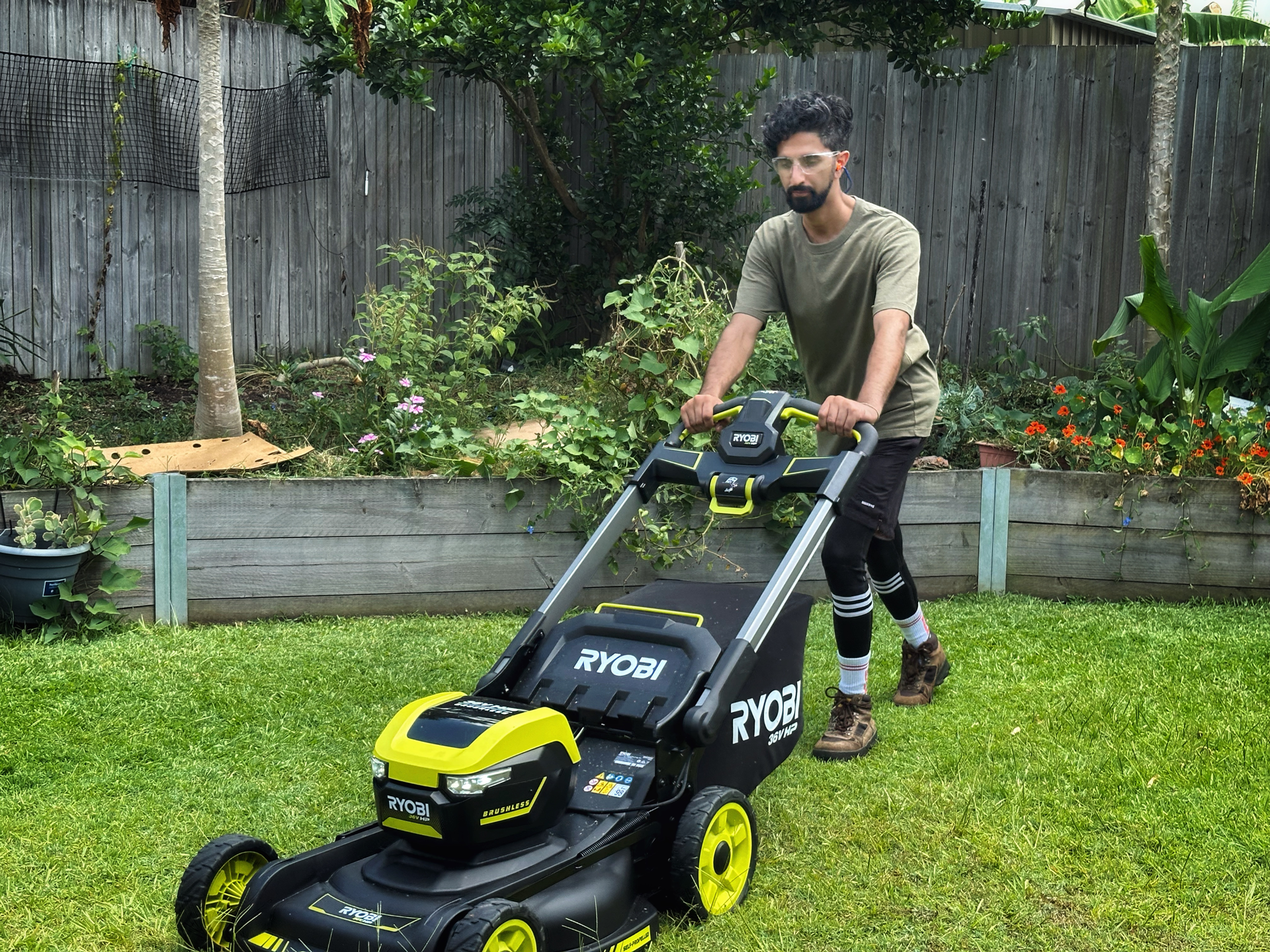
Once the soil has settled and the new grass has sprouted after overseeding, regular mowing should start paying dividends.
TIP: Don’t leave lots of grass clippings on the lawn as this can smother it. Once and a while is okay as cut blades of grass can return nitrogen to the soil, which a lawn needs. Just don’t overdo it.
If you want that well-maintained look, always keep the edges in check with a line trimmer and lawn edger. Done regularly, it’s a fairly quick task. RYOBI’s gardening products share the same battery platform, so this makes it even easier to keep a well-maintained lawn.
Regular mowing – removing around one-third of the height of blades of grass (with sharp mower blades) keeps a lawn healthy. Replace your blades regularly.
Mowing every week or so also helps to keep on top of any changes in your lawn. You’ll be more inclined to spot areas that need attention before they become a problem. And when the lawn is manageable and only needs a trim, it’s also quicker to mow.
With so many battery-powered models to choose from, choosing a new lawnmower can seem a bit overwhelming – so we made a tool that makes choosing the right mower for your lawn, lifestyle and budget. The RYOBI Product Comparison Tool lets you line up any four mowers and compare them side-by-side. Whether you’re looking at price, checking the different features; reading reviews; or just want to see exactly what’s included in the box ... everything’s laid out side-by-side so you can make the best choice quickly.
Choose between 18V and 36V, push or self-propelled, single or extra battery ports for longer runtimes, mulching options, height settings and lots more ...
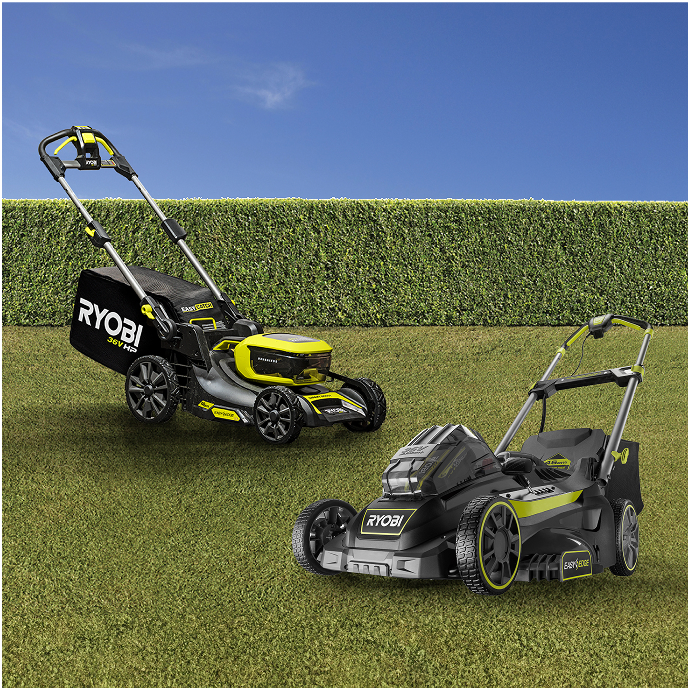
Let us help you find which Lawn Mower might be right for you. Enter your block size, grass height, mowing duration and more and we’ll recommend a RYOBI Lawn Mower for the job.
Keep your lawn in tip top shape – no matter how big or small.
For more in-depth advice, read garden guru Jason Hodges’ articles on garden maintenance.
.png?w=100&v=6c04e2a3-04b9-449c-97a0-86f8df82dcb1&itok=D7d8Umfz)

.png?w=100&v=07272864-2df4-45f0-aa93-568aa3920466&itok=Lj7SSICT)

.png?w=100&v=4297d0f7-8d6a-4632-bff2-7c593a97d3cb&itok=fnsLcLhG)


.png?w=100&v=6fe76245-ac4a-4aa3-986d-04347f143028&itok=dFif4A99)


.png?crop=yes&k=c&w=690&h=690&v=69e1baa9-7782-43b6-b9d7-971bc8c1cd9d&itok=k90nf7FN)


.jpg?crop=yes&k=c&w=690&h=690&v=1038f508-82d9-4838-8284-a24b731b3b78&itok=ZuNGnwiR)